Last Updated: October 25, 2026
Quick Summary
Avoiding hidden fees in pool cleaning starts with understanding where they come from and asking specific questions before signing. Request written quotes that itemize all charges including chemicals, filter cleaning, travel fees, and equipment markups, then compare them line by line to invoices when they arrive.
- Common hidden fees include chemical surcharges, equipment repair markups, seasonal rate increases, trip charges, filter cleaning fees, drain-out fees, and acid wash charges.
- Compare quotes by normalizing each to an estimated monthly total cost including base visits, chemicals, filter cleaning, equipment checks, seasonal adjustments, and cancellation fees.
- Review contract terms for price lock periods, rate increase limits, cancellation fees, service guarantees, and authorization requirements before signing.
- Dispute unauthorized charges in writing promptly by referencing the quote, invoice line, and amount in question, and do not pay disputed charges while waiting to resolve them.
Table of Contents
- Understanding Common Hidden Fees in Pool Cleaning
- How to Review Pool Cleaning Quotes and Invoices
- Evaluating Pool Cleaning Service Cost Breakdown
- Understanding Pool Chemical Costs and What They Cover
- Comparing Service Plans on an Apples-to-Apples Basis
- Protecting Yourself With Pool Service Contract Terms
- Getting Your Free Quote From Absolute Blue Pool
- Frequently Asked Questions
Understanding Common Hidden Fees in Pool Cleaning
Avoiding hidden fees in pool cleaning starts with understanding where they come from. Most homeowners think they're paying for basic cleaning and chemical balancing.
Common hidden fees include:
- Chemical surcharges applied per visit
- Equipment repair markups not disclosed in quotes
- Seasonal rate increases buried in contract fine print
- Trip charges for emergency calls
The problem isn't that these costs exist, it's that providers hide them until you're committed. At Absolute Blue Pool, we believe transparency about pool service costs protects you from sticker shock and helps you budget.
The best defense is knowing what to ask before signing, including which fees are standard and which are inflated.
How to Review Pool Cleaning Quotes and Invoices
Read every quote line by line, hidden fees survive because homeowners skim. Apply the same review to every invoice.
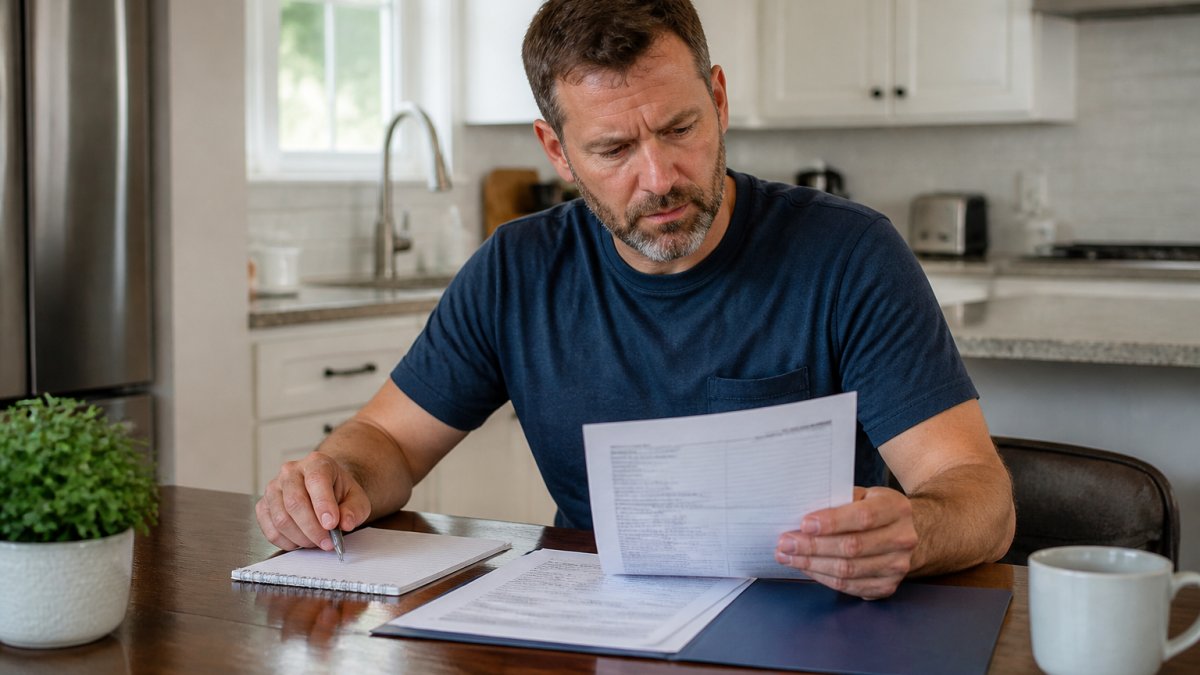
The quote review checklist
Before you sign, confirm each item below is answered in writing (email is fine): Get answers to common questions about pricing, billing, and what services include
- Base rate scope: Does it include skimming, brushing, vacuuming, basket cleaning, and basic water testing? Which tasks are excluded?
- Chemical model: Are chemicals bundled, billed at cost plus a markup, or charged as a flat per-visit surcharge? Ask for the average monthly chemical cost for a pool your size.
- Visit frequency and duration: How many visits per month, and how long is each visit? A low base rate with short visits often means less work per stop.
- Filter cleaning: Is it included, billed per cleaning, or billed by filter type? Ask how often it is expected.
How common hidden fees are calculated
Knowing the math makes vague charges easier to challenge:
- Chemical surcharges: Often a flat per-visit fee on top of the base rate, sometimes scaled by pool volume. Ask whether it's fixed or usage-based.
- Filter cleaning: Frequently billed per cleaning rather than included, and priced by filter type (cartridge, DE, sand).
- Travel or trip charges: Usually a flat fee per extra visit or per mile outside a service radius.
- Repair markups: Commonly a percentage added to parts cost; ask for the percentage, not just the parts price.
The invoice review checklist
When the bill arrives, compare it to the quote line by line and look for:
- Charges that do not match the quoted service or frequency
- New line items that were not in the original estimate
- Rate increases without the notice period stated in the agreement
- Duplicate fees (for example, a chemical surcharge plus a separate chemical line)
- Vague descriptions like "pool maintenance" instead of specific tasks
Documenting and disputing unauthorized charges
A paper trail resolves most billing disputes quickly:
- Get approval in writing before extra work. A simple text or email reply confirming the scope and price is enough.
- Keep service records. Save invoices, photos of the pool before and after visits, and any emails about scope changes.
- Dispute in writing, promptly. Send a short email that references the quote, the invoice line, and the amount in question. Ask for a corrected invoice.
- Ask for a hold on the disputed amount. Many providers will pause the charge while it is reviewed rather than risk losing the account.
- Escalate if needed. If the provider will not correct an unauthorized charge, a written complaint to your state consumer protection office or attorney general is a common next step.
Evaluating Pool Cleaning Service Cost Breakdown
A transparent breakdown shows exactly what you're paying for, the foundation of avoiding hidden fees in pool cleaning.
Chemical costs deserve special attention. Some providers bundle chemicals into the base rate; others charge per visit.
Equipment costs are another common source of confusion.
Seasonal variations affect pricing.
Request an itemized bill every month. A good service provider will show you:
- Date of service
- Services performed
- Materials used
- Labor hours (if applicable)
- Any additional charges with explanations
This detail makes it easy to spot unauthorized charges before they become a pattern.
Understanding Pool Chemical Costs and What They Cover
Chemical costs confuse many pool owners because they're not always obvious. Some providers include chemicals in the base rate; others charge separately.
Understand what "chemical maintenance" actually includes. It should cover:
- pH testing and adjustment
- Chlorine or sanitizer addition
- Alkalinity balancing
- Calcium hardness management
- Stabilizer maintenance
Arizona's heat and mineral-heavy water make chemical management more complex, so your pool may need more frequent summer adjustments.
Watch for inflated chemical costs. A reasonable monthly chemical budget for a residential pool is modest, but providers sometimes inflate these charges because homeowners don't question them.
Comparing Service Plans on an Apples-to-Apples Basis
Comparing pool service quotes is nearly impossible when each is structured differently, one bundles chemicals and equipment checks, another charges separately, a third adds seasonal surcharges. To compare fairly, normalize every quote into the same categories and time period.
Normalize to a monthly total cost
Convert every quote to an estimated monthly total, not a per-visit price. Multiply the per-visit rate by visits per month, then add expected monthly chemical cost, equipment maintenance, and recurring fees.
| Cost Category | Provider A | Provider B | Provider C |
|---|---|---|---|
| Visits per month | [number] | [number] | [number] |
| Base rate per visit | $[amount] | $[amount] | $[amount] |
| Monthly base cost | $[amount] | $[amount] | $[amount] |
| Chemical model (bundled / usage / surcharge) | [model] | [model] | [model] |
| Estimated monthly chemicals | $[amount] | $[amount] | $[amount] |
| Filter cleaning (included / per cleaning) | [terms] | [terms] | [terms] |
| Equipment check (included / extra) | [terms] | [terms] | [terms] |
| Seasonal adjustments | $[amount] | $[amount] | $[amount] |
| Cancellation fee | $[amount] | $[amount] | $[amount] |
| Estimated monthly total | $[total] | $[total] | $[total] |
This forces providers to explain their pricing structure. If they won't break it down, treat that as a red flag. See what weekly pool service cost per month really looks like so you understand how to evaluate quotes in your market.
Compare the four things that actually change total cost
- Visit frequency and duration. Weekly service usually costs less per visit but more per month. Bi-weekly or monthly service is cheaper overall but can lead to more algae and chemical swings during hot months. Ask how long each visit lasts, not just how often it happens.
- Chemical model. Bundled chemicals simplify budgeting but can hide a higher base rate. Usage-based billing can be cheaper for a stable pool and more expensive after a party or storm. A flat per-visit surcharge is the easiest to compare but can be inflated. Ask for the average monthly chemical cost for a pool your size.
- What is excluded. Filter cleaning, equipment checks, algae treatment, and travel are the most common exclusions. List them side by side and price each one.
- Contract terms. Price lock period, rate increase limits, cancellation fees, and seasonal pause terms all affect the real cost of a plan. A cheaper plan with a long lock-in and steep cancellation fee is not actually cheaper.
Watch the service frequency trap
A plan that visits weekly but spends ten minutes per stop may cost less per month than a bi-weekly plan spending forty minutes. Ask what tasks are performed each visit and whether the provider adjusts when the pool needs more attention. The cheapest option often hides fees elsewhere or cuts corners on time.
Read the contract terms before you compare totals
A monthly total is only meaningful if the terms behind it are stable. Check the price lock period, the notice required for rate increases, the cancellation fee, and whether service can be paused seasonally without penalty. Review the actual service terms to understand what is included and protected with professional service.
Protecting Yourself With Pool Service Contract Terms
Your service agreement is where hidden fees often live, and most homeowners sign without reading it.
Review these contract terms before signing:
- Price lock period: How long are rates guaranteed? What happens after?
- Rate increase limits: Can they raise prices without notice? By how much?
- Cancellation terms: Can you cancel anytime or are you locked in? What are the penalties?
- Service guarantees: What happens if they miss a scheduled visit?
- Damage liability: Who pays if their equipment damages your pool?
The best contracts are simple and fair, protecting both you and the provider; overly complex contracts with vague language often hide unfavorable terms.
Review the actual service terms to understand what's included and protected with professional service.
Cancellation terms are critical. Can you stop service immediately, or are you locked in for months?
Getting Your Free Quote From Absolute Blue Pool
When you're ready to compare quotes, start with transparent providers who itemize their pricing.
Before requesting a quote, gather basic information about your pool:
- Pool size (gallons or dimensions)
- Current condition (clear, cloudy, green, or needs recovery)
- Current equipment (pump type, filter type, age)
- Service frequency you prefer (weekly, bi-weekly, monthly)
- Any additional services you need (filter cleaning, equipment repair, green-to-clean recovery)
This information helps providers give you an accurate estimate. Vague requests lead to vague quotes.
When you get quotes back, use the comparison table method above to evaluate them fairly.
The goal isn't the cheapest service, it's transparent pricing that matches your pool's needs and budget.
Frequently Asked Questions
What extra fees can a pool cleaning company charge?
Common additional charges include chemical surcharges (often $15-$50 per visit), filter cleaning fees ($75-$200), acid washing ($200-$500), equipment repairs, emergency service premiums, and travel fees for pools outside standard service areas. Some companies also charge for water testing, algae treatment, or equipment replacement. Always ask upfront which of these are included in your base rate and which are billed separately to avoid hidden fees in pool cleaning.
What should a pool cleaning service include in its regular price?
A standard pool cleaning service typically includes skimming debris, brushing walls, vacuuming the floor, emptying baskets, and basic water testing. Many providers also include routine chemical balancing and filter backwashing. However, definitions vary widely. Get an itemized bill from any provider you're considering and confirm whether chemicals, filter maintenance, and water testing are part of the base rate or charged separately. This prevents surprise charges later.
How can I compare pool cleaning quotes fairly?
Request itemized quotes from at least two providers that break down the base rate, chemical costs, filter cleaning frequency, and any additional fees. Confirm the service frequency (weekly, bi-weekly), pool size, and what's included. Ask about price increases, contract terms, and cancellation policies. Compare the total monthly cost, not just the advertised base rate. This ensures you're comparing apples to apples and can spot which provider is transparent about costs.
How do I dispute an unexpected pool service charge?
Review your service agreement and itemized invoices to identify which charges were authorized. Contact your service provider in writing (email or letter) within 30 days of the charge, referencing the specific line item and requesting clarification or removal if it wasn't agreed upon. Ask for documentation of the work performed. If unresolved, dispute the charge with your credit card company or bank. Always keep copies of contracts, quotes, and invoices to support your case.
Protecting yourself from hidden fees in pool cleaning comes down to asking the right questions upfront and reading everything before you sign. Most homeowners could avoid surprise charges simply by requesting itemized quotes and reviewing contracts carefully. Absolute Blue Pool makes this easier with transparent flat-rate pricing, consistent service days, and no lock-in contracts. Get your custom pool care quote today and see how clear, honest pricing works.
